While Storms Austen and Boelo grabbed the headlines during October half term 2026, data from visitor marketing agency Navigate suggests that shifting consumer behaviour, shorter booking windows and sharper scrutiny of ticket value played just as big a role in determining which attractions thrived.
In a detailed post-holiday analysis, Olly Reed, Growth Director at Navigate, examined trading patterns across more than £4.3 million in attributed digital advertising revenue generated during October. For theme park operators, resort marketers, and attractions suppliers planning their 2027 commercial strategies, the findings highlight several critical shifts in how guests plan, book, and value days out.
1. Weather Displaced Demand, Not Just Footfall
Unsurprisingly, wet and stormy weather created a sharp divide across the UK attractions sector. Indoor venues, including science centres, aquariums, and museums, reported sell-out days and record trading, with science centres achieving an average return on ad spend (ROAS) of £28 for every £1 invested.
For outdoor theme parks and seasonal events, however, the challenge went beyond suppressed walk-up demand. Reed notes that severe weather actively disrupted pre-booked attendance, with some operators reporting that only a minority of advance ticket holders arrived on peak storm days, forcing teams to manage ticket transfers and reschedule demand into later dates.
2. Established Programming Outperforms Generic Seasonal Badges
Crucially, indoor versus outdoor was not the only dividing line. Operators that had invested over multiple years in recognised, high-production seasonal events demonstrated far greater resilience against the weather.
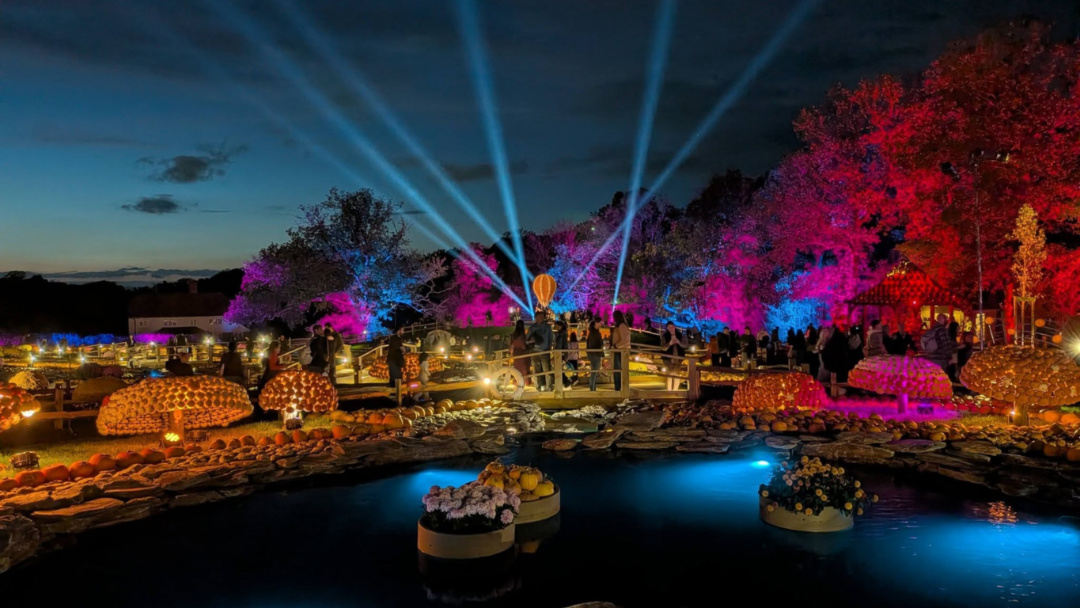
Across the Halloween market, mature scare festivals, established pumpkin experiences, and adult scare nights performed strongly, with many finishing ahead of 2025 levels and attracting strong late demand. By contrast, newer or lightly themed Halloween propositions struggled to gain traction. For operators, the takeaway is clear: putting pumpkins on site or adding a seasonal banner to existing operations is no longer enough. Multi-year investment in guest expectation, atmosphere, and repeatable traditions turns an event into a weather-resistant destination in its own right.
3. Guests Are Interrogating Value, Not Just Ticket Price
Although cost-of-living pressures remain a factor across the leisure market, millions of pounds in half term ticket sales demonstrate that families are still willing to spend. What has changed is the decision-making threshold. Rather than simply asking whether they can afford a ticket, guests are asking whether the experience justifies the price.
Reed points out that price and value operate differently across seasonal products. A £25 ticket for an underwhelming experience feels expensive, whereas a £50 ticket for an immersive event that children talk about for months feels fair. As seasonal events across the UK vary widely in production scale, operators need to ensure their pricing accurately reflects the depth of storytelling, pacing, and guest experience on offer.
4. Promotional Offers Accelerate Demand, They Do Not Create It
Heavy discounting featured prominently across October campaigns. Where operators used early promotional offers strategically, such as driving advance commitments before severe weather hit, discounting proved valuable in securing revenue ahead of storm disruptions. Targeted family packages and local resident offers also delivered solid returns.
However, Reed cautions against relying on price cuts as a primary hook. Discounts work best when they remove friction or create urgency around an already compelling product, rather than compensating for an uninspiring proposition.
5. Compressed Seasons and Later Booking Windows Ahead of Christmas
An unusually warm September following a long summer delayed the psychological shift into autumn for many consumers, compressing the marketing window for Halloween and creating knock-on effects for Christmas trading.
Early festive booking data shows mixed performance across the sector, with several Santa experiences tracking behind the same point last year. Rather than signalling weak overall Christmas demand, this reflects a broader 2026 trend of shorter booking windows. Guests are holding off until they have greater certainty around weather, family schedules, and household budgets.
Commercial Takeaways for 2027
Looking ahead to 2027, Reed argues that passive marketing is losing effectiveness across the visitor economy. Simply being open during school holidays is no longer a sufficient reason to visit. The strongest-performing attractions are those aligning four core elements: a distinctive guest experience, value-led pricing, clear event programming, and agile digital marketing capable of capturing guests at the exact moment they are ready to commit.
Read the full analysis: You can read Olly Reed's complete blog post and contribute your own October half term trading feedback over on the Navigate website.
