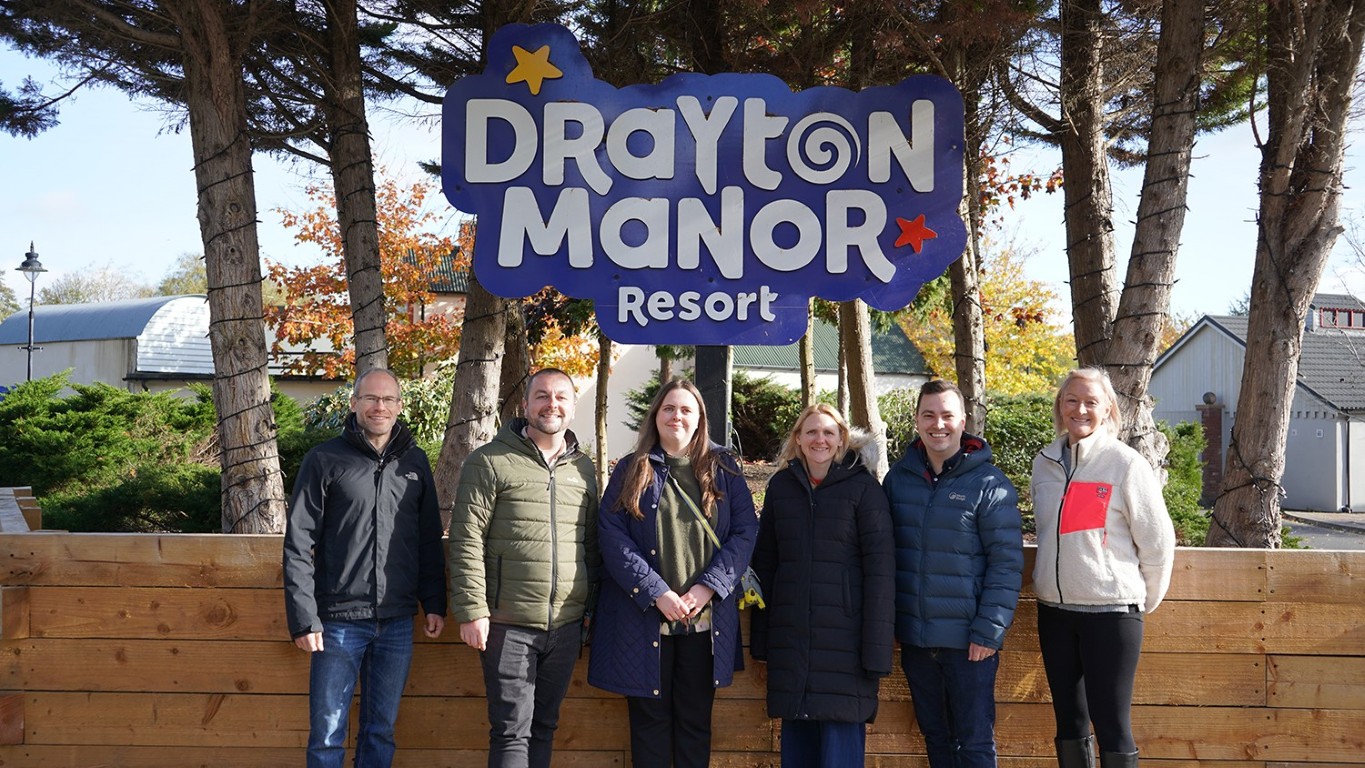
A new academic–industry collaboration has been launched with the ambition of transforming how theme parks and visitor attractions worldwide design for neurodivergent guests.
The four-year research project, titled Neuroinclusion within Themed Attractions, brings together the University of Birmingham, themed attraction design specialist Katapult, and UK operator Drayton Manor Resort in what is being described as a world-first deep academic study into neurodivergent guest experiences within high-stimulation leisure environments.
While accessibility efforts across the attractions industry have traditionally focused on physical mobility, this research shifts attention to sensory, psychological and emotional inclusion. An estimated 20% of the global population is neurodivergent, including individuals with autism, ADHD, dyspraxia and sensory processing differences, groups for whom theme park environments can be overwhelming rather than enjoyable.
From anecdotal solutions to data-led design
At the core of the initiative is the goal to replace well-meaning but often anecdotal accessibility measures with robust, evidence-based design guidance. The project will examine how neurodivergent guests think, feel and navigate themed attractions, with findings intended to directly inform both new developments and retrofits.
A key output will be the creation of a publicly available industry blueprint, positioning neurodiversity as a core consideration in attraction masterplanning, experience design and operations. This framework is expected to provide operators and suppliers with practical guidance that balances sensory management with the need to preserve excitement, immersion and storytelling.
PhD-led research with lived experience at its heart
The research will be led by PhD student Hayley Green, who is herself neurodivergent, ensuring lived experience is embedded within the study. The project is funded by the Centre for National Training and Research Excellence in Understanding Behaviour and supported by a supervisory team from the University of Birmingham.
Dr Cathy Manning of the University of Birmingham emphasised that neuroinclusive design should not be about reducing stimulation at the expense of enjoyment, but about understanding how to deliver engaging experiences that are accessible to a broader audience.
From an industry perspective, Katapult’s Insights Director Robbie Jones highlighted the commercial and creative importance of the research, noting that the collaboration will help designers and operators move beyond assumptions and towards empathy-driven, data-backed decision-making.
Implications for operators and suppliers
For operators such as Drayton Manor Resort, the study represents an opportunity to refine guest experience strategies and better serve families who are often underserved by traditional attraction design approaches. The research findings are expected to influence attraction layout, queue design, ride experience pacing, wayfinding, and sensory zoning across parks.
The full findings are scheduled for publication in 2029, with the intention that the resulting framework can be adopted globally by theme parks, attraction developers, consultants and creative suppliers seeking to embed neuroinclusion into their projects from the earliest stages.
As guest expectations around inclusivity continue to evolve, this research signals a significant step toward establishing neuroinclusive design as a standard, rather than an exception, within the global attractions industry.