The UK government’s updated animal welfare regulations for zoos, aquariums and animal attractions are beginning to have clear and measurable effects on how parks and visitor attractions operate across the country.
In 2025, revised Standards of Modern Zoo Practice were published, marking the most significant update to animal care requirements in more than a decade. The changes introduce stricter expectations around enclosure size, animal enrichment, handling practices and long-term operational planning. Attractions that keep animals under zoo licensing laws are required to comply in order to continue operating.
Key measures include larger minimum space requirements for elephants, the phasing out of long-term tethering for birds of prey, and tighter controls on public interaction experiences. This includes restrictions on touch pools for sensitive and highly intelligent species such as rays and octopuses. Zoos and animal attractions must also demonstrate improved conservation outcomes and contingency plans to safeguard animal welfare during periods of disruption.
The government said the overhaul reflects modern scientific understanding of animal welfare and is intended to ensure that the UK remains a global leader in ethical animal care.
A clear example of impact at ROARR! in Norfolk
The practical implications of these changes have been highlighted by developments at ROARR! in Norfolk, the UK’s largest dinosaur-themed adventure park. Located near Lenwade, the family attraction is best known for its rides, dinosaur experiences and themed play areas, alongside its long-running animal attraction known as the Secret Animal Garden.
ROARR! has confirmed that it will close its live animal area and step away from operating animal facilities under a zoo licence. The decision follows a strategic review of the updated welfare requirements and the increasing complexity and cost of compliance.
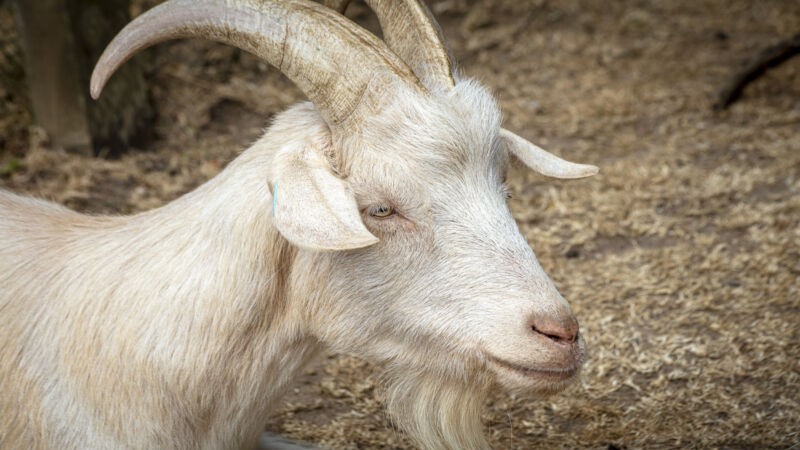
While the wider park will continue to operate as normal, the Secret Animal Garden will cease operations, and all resident animals will be rehomed with suitable new owners. The park has stated that animal welfare remains the priority throughout the process and that the transition will be carefully managed.
Management described the decision as difficult, noting that the animal area had been a valued part of the park for many years. However, the updated regulatory framework meant significant investment and structural change would have been required to continue operating the facility in line with the new standards.
Wider implications for the attractions sector
Animal welfare groups have broadly welcomed the updated standards, arguing that they better reflect the physical and psychological needs of animals kept in captivity. Supporters say the restrictions on interactive experiences represent a shift away from entertainment-led animal encounters towards welfare-led practices.
At the same time, some operators have highlighted the challenges involved in adapting to the new rules. Larger zoos have generally begun investing in new habitats and redevelopment programmes, while smaller attractions and theme parks that keep animals as part of a wider leisure offering may face tougher decisions about long-term viability.
The changes at ROARR! in Norfolk illustrate how the new welfare framework is already reshaping the attractions landscape. As the updated standards continue to be phased in, further changes are expected across the sector, with animal welfare considerations increasingly influencing how parks operate, invest and define their future.