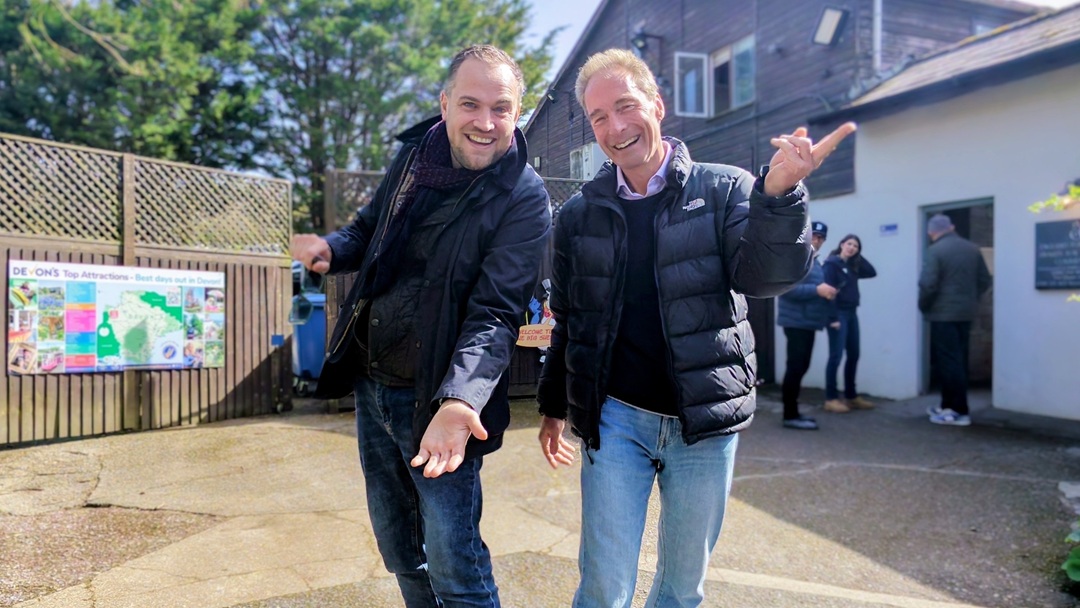
When James Sinclair, the founder and CEO of the Partyman Group, acquired The Big Sheep, it marked more than just another addition to a growing portfolio of family attractions. It signaled a strategic move rooted in diversification, operational integration, and a clear-eyed view of the challenges facing the UK’s visitor economy.
In conversation with Theme Park Network, James outlined his vision for the North Devon theme park, and his broader philosophy on growth, resilience, and the evolving role of farm parks in the modern leisure landscape.
A Strategic Acquisition Built on Experience
For James, the appeal of The Big Sheep was immediate and deeply considered.
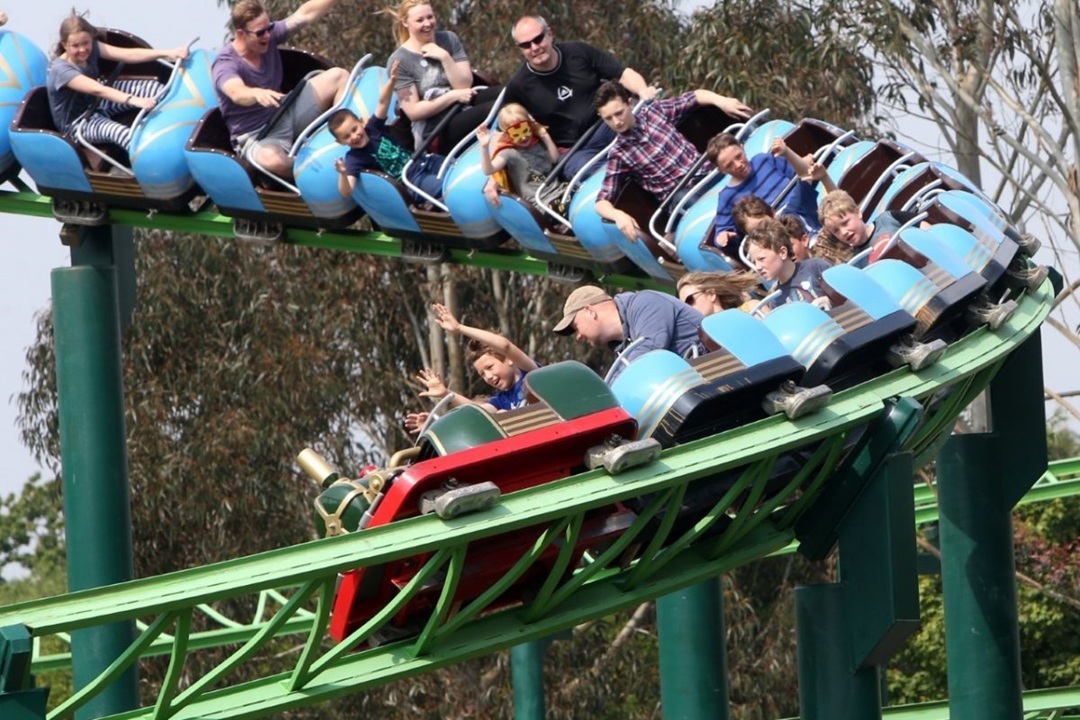
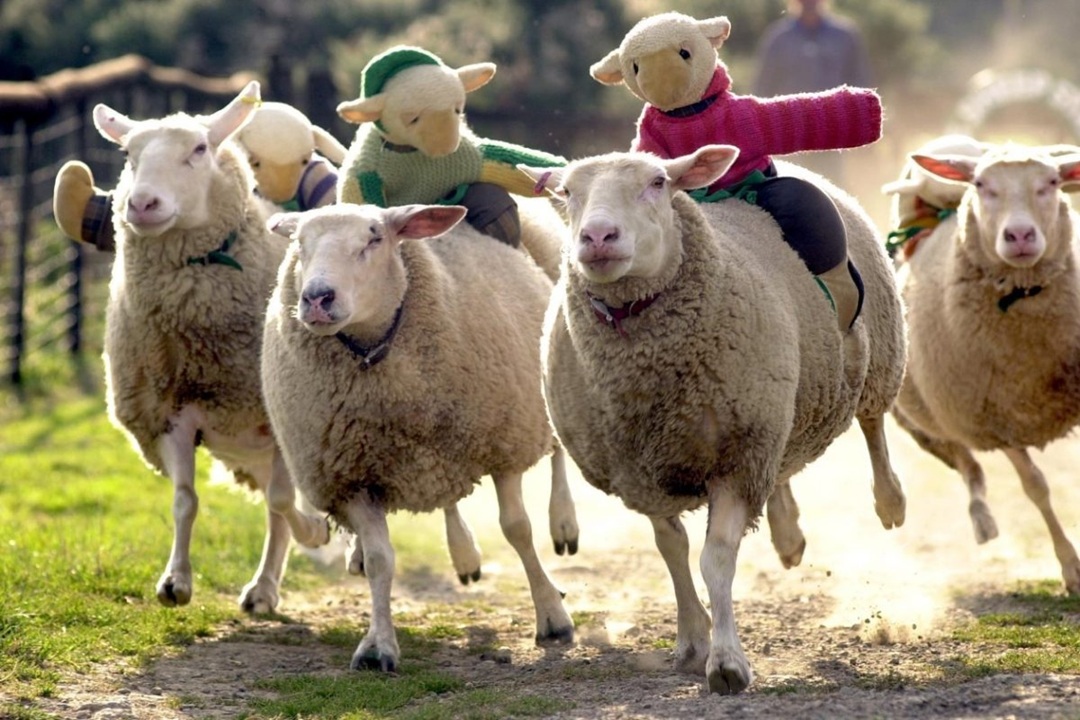
"I’ve known Rick, the previous owner, for a number of years," he explains. "What impressed me was the uniqueness of the offer. The Sheep Grand National, the shows, the brewery... there’s a real individuality to it."
Beyond its charm, James saw something more fundamental: a rare ability to appeal across generations.
"They’ve created a model that attracts two-year-olds, 22-year-olds and 102-year-olds. That’s incredibly powerful. A lot of attractions narrow their audience too much, but with an ageing population and changing family dynamics, broad appeal is critical."
This multi-generational strength also presented an opportunity. James believes the operational insights from The Big Sheep can be applied across his wider portfolio, particularly in parks that currently skew toward younger audiences.
Immediate Priorities: Foundations First
Despite the attraction’s established reputation, James is clear that the first phase is about strengthening the fundamentals.
"First of all, it’s about tidying up planning and infrastructure," he says. "These attractions often evolve organically over time, and we need to make sure everything is structured properly from a planning and land perspective."
From there, investment will focus on targeted enhancements rather than wholesale transformation:
- New accommodation development under a 'Big Sheep Holiday Park' concept
- Introduction of adventure play to broaden the offer
- Expansion into childcare and alternative education provision
- Exploration of holiday camps and weekday programming
Notably, James is not chasing dramatic increases in visitor numbers.
"You might invest a couple of million pounds, but are you really going to double attendance? Probably not. The smarter play is building additional revenue streams around the core attraction."
Preserving Heritage While Enabling Growth
One of the defining challenges in any acquisition is balancing legacy with progress, particularly for a long-standing attraction like The Big Sheep. James is clear that its identity will remain intact.
"I hope the quirkiness stays," he says. "This industry attracts people who see it as a calling. That personality is what makes places special."
Crucially, the group’s private ownership structure allows for a longer-term, more values-driven approach.
"We’re not trying to become the next Merlin. We just want to build attractions that families love and deliver value for money."
That emphasis on value reflects a wider concern about pricing pressures across the sector, particularly as operators grapple with rising costs.
Integration and the Power of an Ecosystem
A defining feature of James' business model is vertical integration across multiple sectors, from childcare and training to food supply and retail. The Big Sheep will quickly become part of this ecosystem.
Group companies will support operations across several areas:
- Customer service training and operational support (In2action)
- Retail and merchandise supply (Teddy Tastic)
- Food and beverage, including in-house brands (Cafe Deli and Rossi Ice Cream)
- Childcare services and holiday programming (Twizzle Tops)
"We look at whether what we’re buying can benefit from our existing infrastructure, or whether it can strengthen it," James explains. "That’s where the real value comes from."
This approach not only improves efficiency but also accelerates implementation, allowing new acquisitions to scale more quickly.
Rethinking Growth: Beyond Gate Numbers
James' strategy reflects a broader shift in how successful attractions generate revenue. Rather than relying solely on attendance growth, the focus is on diversification, particularly through accommodation.
"If you want to invest meaningfully in a visitor attraction, you need those additional income streams," he says. "Accommodation is the big one."
He points to operators like Flamingo Land and Crealy Theme Park & Resort as examples of this model in action, where accommodation has become a cornerstone of financial sustainability. The logic is simple: accommodation drives higher per-capita spend, extends length of stay, and smooths seasonal volatility.
"You invest in accommodation, and suddenly the numbers stack up. Then you can reinvest back into the attraction itself."
The Experience Economy and Its Pressures
Despite these opportunities, James is candid about the challenges facing the sector.
"Hospitality and leisure in the UK are devilishly difficult right now," he says.
Rising labour costs, high VAT rates, and operational pressures are squeezing margins across the board. James points to international comparisons as a concern, noting that countries like Germany and Ireland have used reduced VAT rates for the sector to stimulate growth.
"We’re likely to see casualties," he warns. "Some businesses just won’t make it through."
This reality is shaping investment decisions across the industry, with operators forced to prioritise resilience over rapid expansion.
The Future of Farm Parks
The evolution of farm parks is a recurring theme in James' thinking, and one that aligns closely with wider industry trends.
"The line between farm parks and theme parks is blurring," he observes. "If you want to attract older children and teenagers, you need to offer more than just animals."
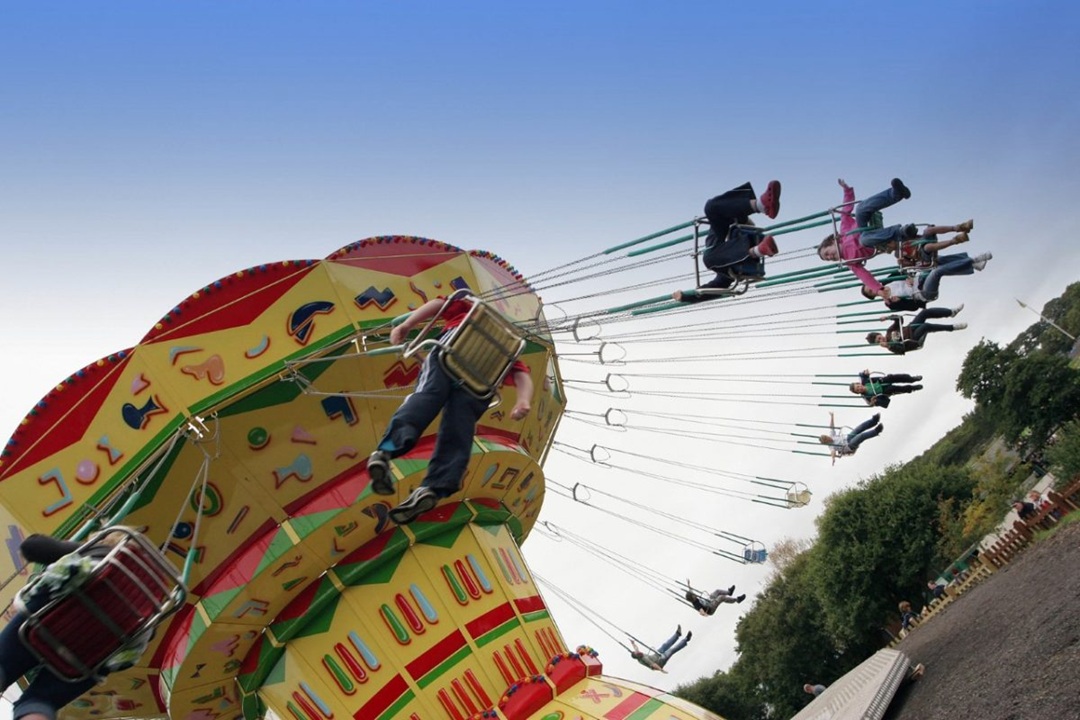
This shift is already evident across the UK, where many farm attractions are adding rides, seasonal events, and immersive experiences to broaden their appeal. However, James cautions against over-investing in capital-heavy attractions without a supporting business model.
"The key is balance. You can’t just keep adding rides; you need the revenue streams to support that investment."
Acquisition Strategy: What Makes a Good Target?
For operators considering expansion, James offers a pragmatic perspective. Unlike traditional theme park groups, his first question isn’t about rides or attendance; it’s about adaptability.
"We look at whether we can introduce childcare, whether it fits into our ecosystem, and whether we can unlock new revenue streams quickly," he says.
Equally important is recognising the limits of operational improvement.
"You have to be realistic. In many cases, the existing operator is already doing a good job. The opportunity isn’t always to do it better, it’s to do more around it."
Building for Scale and Stability
At a group level, James is working towards a clear financial milestone: £100 million in annual revenue. But the motivation isn’t scale for its own sake.
"At that level, you can attract better people, reinvest consistently, and build long-term stability," he explains.
That stability is particularly important in the attractions sector, where seasonal fluctuations can create significant operational challenges. Accommodation, once again, plays a key role.
"It gives you those extra weeks of trading and helps smooth the peaks and troughs. That’s better for the business and for the team."
Leadership and Culture
With a workforce spanning multiple sectors, maintaining a consistent culture is an ongoing challenge.
"It’s different across each business, and it needs constant work," James admits. "As you grow, you have to keep investing in that."
It’s a reminder that, while strategy and infrastructure are critical, people remain at the heart of any successful operation.
A Long-Term Vision for The Big Sheep
Ultimately, James' plans for The Big Sheep are ambitious but grounded. Rather than chasing headline-grabbing expansions, the focus is on sustainable growth, operational integration, and enhancing the visitor experience without losing what makes the attraction special.
"I want people to say it’s a quirky, great place that they love going to," he says.
In an industry facing mounting pressures, that combination of authenticity, diversification, and strategic discipline may prove to be the most valuable asset of all.